SONG 0f 8
SONG 0f 8
SONG 0f 8
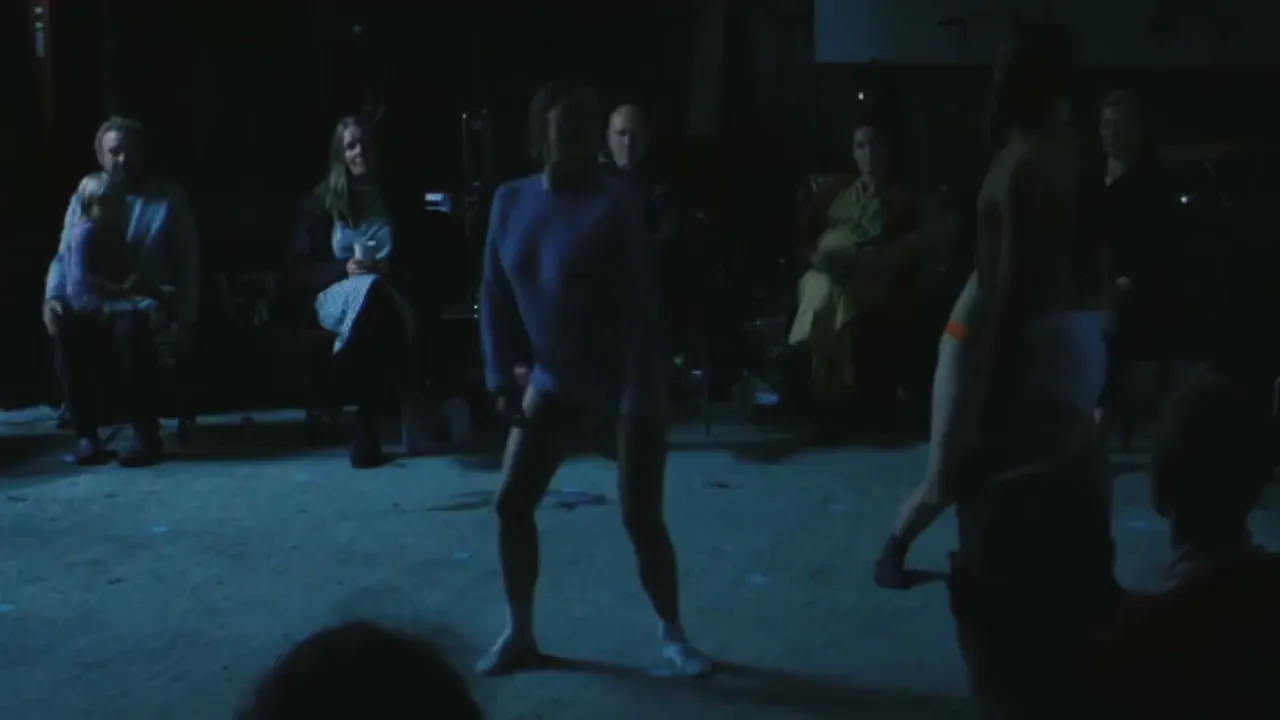
In natural light and over the hour of sunset, audiences experienced an a cappella vocal concert from three performers on stage. The soundscapes arrived as a response to the moment in which they were being sung, not as pre-arranged material. The interplay of the three voices ranged from the harmonic to the dissonant to the purely expressive. As the performers toned with their voices, they moved their bodies in figures of 8. The 8s acted as an autonomous force, using the performers' bodies to express themselves in different magnitudes and intensities. Watching the bodies move and listening to the songs the three voices created produced a constantly unfurling parade of associations: a cheap lapdance, seaweed on the ocean floor, ecstatic rapture, madness. It all happened in the mind of the watcher.
The research that resulted in Song of 8 started with the following question: when the visionary is supported by the power of the erotic, what kind of new consciousness emerges? The figure 8 movement emerged as a way to stimulate the pleasure centre of the body by connecting polarities in a constantly elaborating dance. The voicing practice allowed an expression of what the 8 created, as well as access to the higher places in the body's vertical axis — places traditionally associated with blind sight, clairvoyance, and intuition. By keeping their eyes outward on the audience and committing to the simplicity of the form, the performers entered realms of the subconscious. It was an act that took the audience down with them.
Song of 8 was the last in a trilogy of works that played at the boundary of recognisable reality. Through presenting a clearly visible practice in which repetition always brought something new, known reality was deformed and new landscapes became visible.
Like the two previous performances in the trilogy, Song of 8 worked with the performer as a channeling body, the witness as participant, and practice over the preset dance.
In natural light and over the hour of sunset, audiences experienced an a cappella vocal concert from three performers on stage. The soundscapes arrived as a response to the moment in which they were being sung, not as pre-arranged material. The interplay of the three voices ranged from the harmonic to the dissonant to the purely expressive. As the performers toned with their voices, they moved their bodies in figures of 8. The 8s acted as an autonomous force, using the performers' bodies to express themselves in different magnitudes and intensities. Watching the bodies move and listening to the songs the three voices created produced a constantly unfurling parade of associations: a cheap lapdance, seaweed on the ocean floor, ecstatic rapture, madness. It all happened in the mind of the watcher.
The research that resulted in Song of 8 started with the following question: when the visionary is supported by the power of the erotic, what kind of new consciousness emerges? The figure 8 movement emerged as a way to stimulate the pleasure centre of the body by connecting polarities in a constantly elaborating dance. The voicing practice allowed an expression of what the 8 created, as well as access to the higher places in the body's vertical axis — places traditionally associated with blind sight, clairvoyance, and intuition. By keeping their eyes outward on the audience and committing to the simplicity of the form, the performers entered realms of the subconscious. It was an act that took the audience down with them.
Song of 8 was the last in a trilogy of works that played at the boundary of recognisable reality. Through presenting a clearly visible practice in which repetition always brought something new, known reality was deformed and new landscapes became visible.
Like the two previous performances in the trilogy, Song of 8 worked with the performer as a channeling body, the witness as participant, and practice over the preset dance.
production details
Concept and choreography:
Ida-Elisabeth Larsen, Marie-Louise Stentebjerg, Jonathan Bonnici
Performers:
Ida-Elisabeth Larsen, Marie-Louise Stentebjerg, Jonathan Bonnic
Textile Installation:
Lærke Valum
Textile assistants:
Emilie Strøm, Christian Schytt Fisker, Marie Holmegaard Hansen, Mathilde Helbo
Tailor:
Laura Emilie Andersen Lausen
Voice consultant:
Emma Bonnici
Dramaturgical support:
Anders Paulin & Eleanor Bauer
Channeling:
Henriette Bjørn
Bodywork and guidance:
Christine Borch
Photo:
Jeffrey Scott Stratton & Morten Bencke & Rune Svenningsen
Teaser:
Jeffrey Scott Stratton & På Den Anden Side/Morten Bencke
Graphic design:
Sam Moore
Producer:
Gry Raaby
Administration:
Projektcentret
SUPPORT
Co-Production:
Dansehallerne, MDT & Bora Bora through the Nordic Residency Exchange Program
Supported by:
Statens Kunstfond, Knud Højgaards Fond, William Demant Fonden
Thank you:
PDAS Biennale 2020, Andreas Liebmann/Tårnby Park Festival, Aaben Dans
Concept and choreography:
Ida-Elisabeth Larsen, Marie-Louise Stentebjerg, Jonathan Bonnici
Performers:
Ida-Elisabeth Larsen, Marie-Louise Stentebjerg, Jonathan Bonnic
Textile Installation:
Lærke Valum
Textile assistants:
Emilie Strøm, Christian Schytt Fisker, Marie Holmegaard Hansen, Mathilde Helbo
Tailor:
Laura Emilie Andersen Lausen
Voice consultant:
Emma Bonnici
Dramaturgical support:
Anders Paulin & Eleanor Bauer
Channeling:
Henriette Bjørn
Bodywork and guidance:
Christine Borch
Photo:
Jeffrey Scott Stratton & Morten Bencke & Rune Svenningsen
Teaser:
Jeffrey Scott Stratton & På Den Anden Side/Morten Bencke
Graphic design:
Sam Moore
Producer:
Gry Raaby
Administration:
Projektcentret
SUPPORT
Co-Production:
Dansehallerne, MDT & Bora Bora through the Nordic Residency Exchange Program
Supported by:
Statens Kunstfond, Knud Højgaards Fond, William Demant Fonden
Thank you:
PDAS Biennale 2020, Andreas Liebmann/Tårnby Park Festival, Aaben Dans

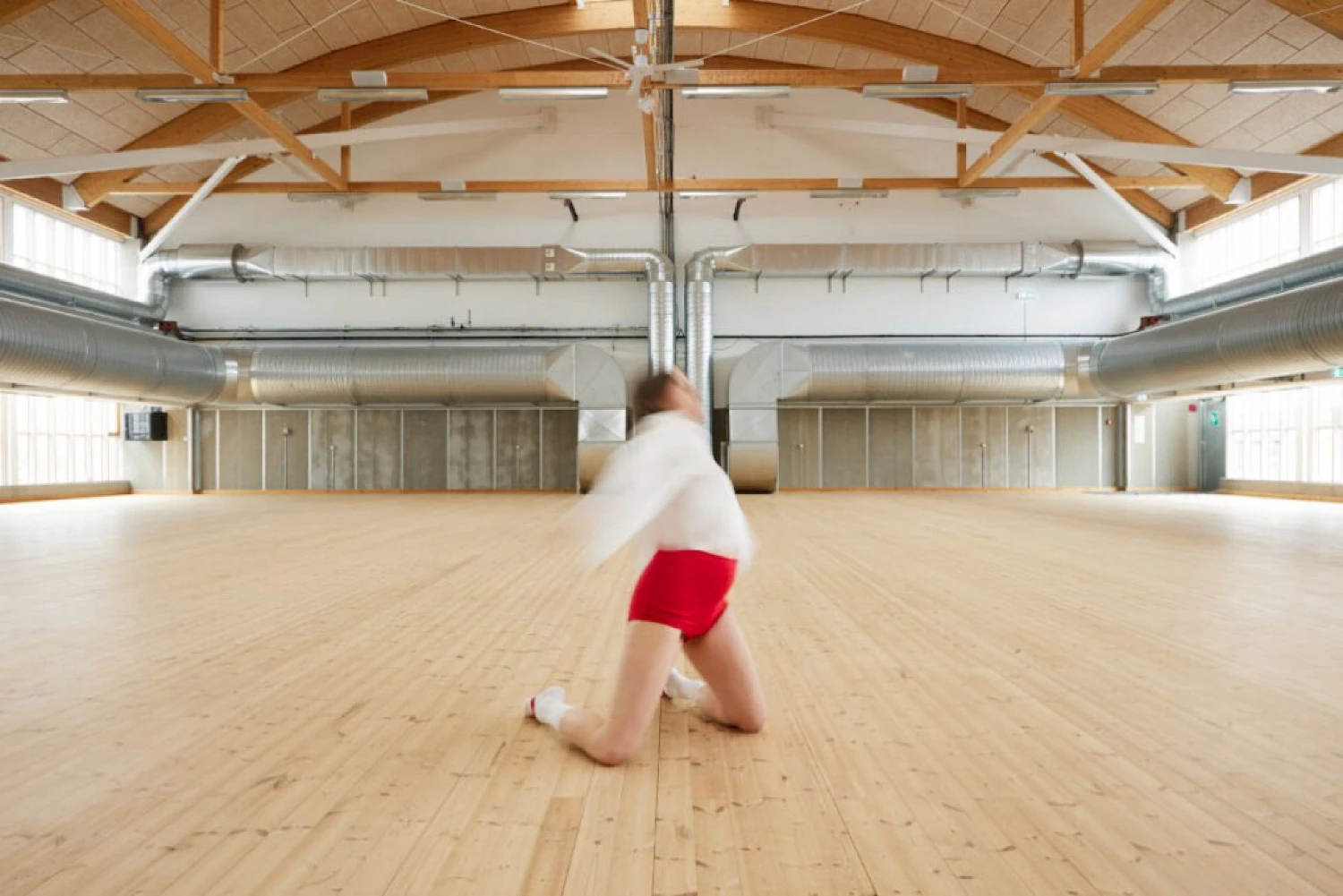
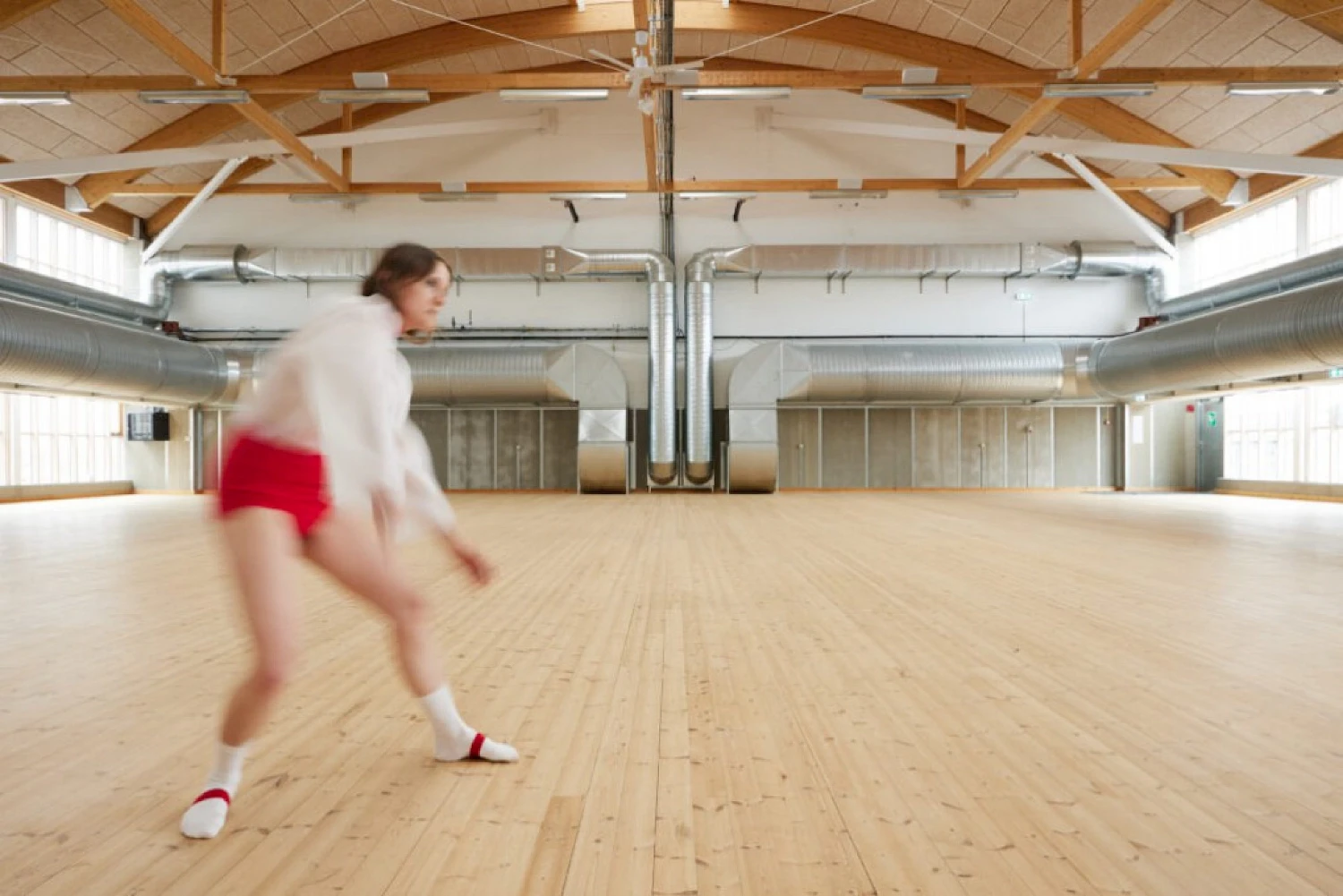
Song of 8 | Full Documentation | Copenhagen Contemporary
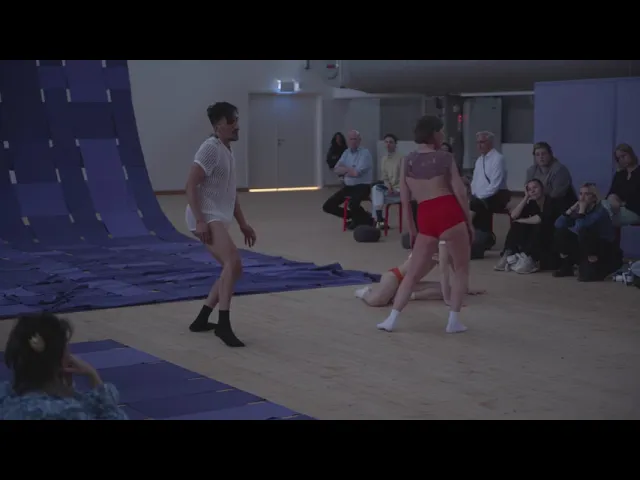
Song of 8 | Full Documentation | Copenhagen Contemporary
Song of 8 | Full Documentation | Copenhagen Contemporary